
Dallas Commercial HVAC Installation: What to Expect
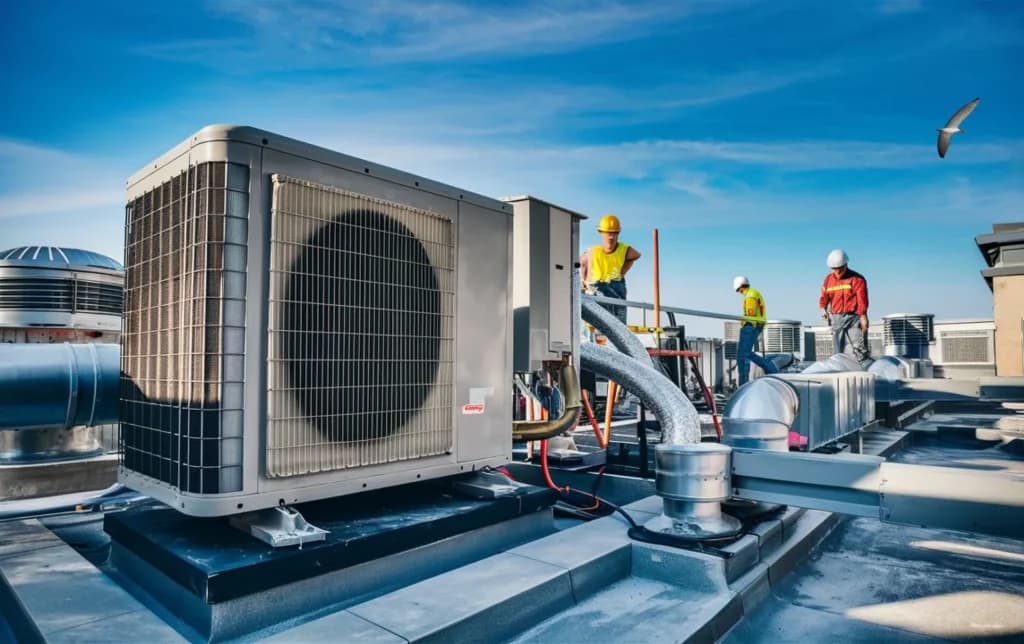
Planning Your Dallas Commercial HVAC Installation
Commercial HVAC installation in Dallas is a significant investment that requires careful planning and coordination. Whether you're building new construction or replacing an existing system, understanding the process, timeline, and requirements will help ensure a successful project that meets your business needs.
This comprehensive guide covers everything you need to know about commercial HVAC installation in the Dallas area, from initial planning through final commissioning.
Pre-Installation Planning Phase
Initial Assessment and Design
The foundation of a successful installation begins with thorough planning:
- Building load calculations - Manual J calculations for accurate sizing
- System design - Equipment selection and layout planning
- Budget development - Cost estimates and financing options
- Timeline establishment - Project schedule and milestones
Permit Acquisition
Dallas commercial installations require multiple permits:
- Mechanical permits - Through the City of Dallas Building Official
- Electrical permits - For power connections and controls
- Plumbing permits - For condensate drainage and water connections
- Right-of-way permits - For exterior work and trenching
Contractor Selection
Choose qualified professionals with:
- Dallas licensing - TDLR HVAC contractor license
- Insurance coverage - General liability and workers' compensation
- References and portfolio - Proven commercial installation experience
- Warranty offerings - Equipment and workmanship guarantees
Site Preparation and Logistics
Access and Staging Requirements
Plan for equipment delivery and installation access:
- Equipment staging area - Secure location for components
- Equipment access routes - Clear paths for large equipment delivery
- Hoisting requirements - Crane access for rooftop units
- Parking coordination - For installation crew vehicles
Existing System Removal
If replacing an existing system:
- Safe refrigerant recovery - EPA-certified technicians required
- Equipment disposal - Recycling and proper disposal procedures
- Structural assessment - Evaluate mounting locations and penetrations
- Asbestos inspection - Required for older buildings
The Installation Process
Phase 1: Rough-In and Infrastructure
Foundation work completed first:
- Ductwork installation - Main trunk lines and distribution
- Piping installation - Refrigerant lines, condensate drains, water lines
- Electrical rough-in - Power wiring and control circuits
- Equipment pad construction - Concrete bases for outdoor units
Phase 2: Equipment Installation
Major equipment placement:
- Outdoor unit placement - Rooftop or ground-level installation
- Indoor unit installation - Air handlers, furnaces, or chillers
- Pump and valve installation - For water-source systems
- Control panel setup - Building automation system installation
Phase 3: System Integration
Connecting and testing components:
- Refrigerant charging - Proper system charging and leak testing
- Electrical connections - Power wiring and control wiring hookup
- Ductwork connections - Sealing and securing all duct joints
- Control system programming - Thermostat and BAS configuration
Quality Assurance and Testing
System Commissioning
Comprehensive testing ensures proper operation:
- Airflow verification - CFM measurements at all registers
- Temperature testing - Proper heating and cooling performance
- Electrical testing - Voltage, amperage, and safety checks
- Refrigerant analysis - Charge verification and leak detection
Performance Validation
Ensure system meets design specifications:
- Efficiency testing - SEER, AFUE, and other ratings verification
- Noise level measurement - Sound level compliance
- Vibration analysis - Equipment isolation effectiveness
- Control sequence testing - Automated operation verification
Timeline and Scheduling Considerations
Typical Project Duration
Commercial installation timelines vary by project size:
- Small office (5,000 sq ft) - 2-4 weeks from start to finish
- Medium building (50,000 sq ft) - 6-10 weeks total project time
- Large complex (200,000+ sq ft) - 3-6 months for complete installation
- Retrofit projects - 30-50% longer due to existing conditions
Critical Path Items
Key milestones that impact the schedule:
- Permit approval - Can take 1-3 weeks in Dallas
- Equipment delivery - 2-4 weeks lead time for custom units
- Structural modifications - Any required building alterations
- Utility coordination - Electrical and gas service upgrades
Cost Factors and Budget Planning
Major Cost Components
Typical cost breakdown for commercial installations:
- Equipment costs - 40-50% of total project cost
- Labor and installation - 25-35% of total project cost
- Ductwork and materials - 15-20% of total project cost
- Permits and fees - 2-5% of total project cost
Contingency Planning
Build in buffers for unexpected costs:
- Hidden conditions - Unknown building modifications needed
- Code compliance issues - Additional requirements discovered
- Material price fluctuations - Copper, steel, and refrigerant costs
- Weather delays - Impact on outdoor work in Dallas climate
Minimizing Business Disruption
Phased Installation Strategies
Keep your business operational during installation:
- Zone-by-zone approach - Install one area at a time
- Temporary systems - Portable cooling/heating during construction
- After-hours work - Schedule noisy work for evenings/weekends
- Alternative workspaces - Relocate staff during major disruption periods
Communication Planning
Keep stakeholders informed:
- Weekly progress updates - Project status and upcoming work
- Daily coordination - On-site project manager availability
- Emergency contacts - 24/7 access during installation
- Change order procedures - Clear process for modifications
Post-Installation Requirements
Final Inspections and Approvals
Obtain all required approvals:
- City of Dallas inspection - Mechanical and electrical final inspection
- Certificate of occupancy - If required for your building type
- Utility company inspection - Gas and electrical service approval
- Insurance inspection - For warranty and coverage purposes
Operator Training and Documentation
Ensure proper system operation:
- System operation training - Building operators and maintenance staff
- Emergency procedures - Shutdown and safety protocols
- Maintenance requirements - Service schedules and procedures
- As-built documentation - Complete system drawings and manuals
Common Challenges and Solutions
Dallas-Specific Installation Issues
Address local challenges proactively:
- Soil conditions - Expansive clay soils affect foundations
- Weather considerations - Summer heat and potential storms
- Urban access restrictions - Traffic and parking constraints
- Utility coordination - Working around existing infrastructure
Quality Control Measures
Ensure installation excellence:
- Progress inspections - Regular quality checks during installation
- Third-party verification - Independent testing and validation
- Performance guarantees - Warranties tied to system performance
- Commissioning agent - Independent verification of system operation
Financing and Incentive Options
Available Incentives
Take advantage of savings opportunities:
- Federal tax incentives - Energy-efficient commercial buildings
- Utility rebates - Oncor and local utility programs
- PACE financing - Property-assessed clean energy loans
- State incentives - Texas Enterprise Fund programs
Financing Strategies
- Equipment financing - 0% interest options from manufacturers
- Energy performance contracts - Pay from energy savings
- Lease options - Preserve working capital
- Grant opportunities - Available for qualifying projects
Selecting Your Installation Team
Essential Qualifications
Verify contractor capabilities:
- Dallas market experience - Understanding local codes and conditions
- Licensed technicians - EPA certification for refrigerant handling
- Insurance and bonding - Adequate coverage for commercial projects
- References and portfolio - Similar project experience
Project Management Approach
- Dedicated project manager - Single point of contact
- Progress reporting - Regular updates and documentation
- Change management - Clear process for modifications
- Quality assurance program - Built-in quality control measures
Conclusion: Ensuring Installation Success
Commercial HVAC installation in Dallas requires careful coordination, qualified professionals, and proactive planning to minimize disruption while ensuring optimal system performance. Understanding the process, timeline, and requirements will help you navigate this complex project successfully.
The key to a successful installation lies in selecting experienced professionals, maintaining clear communication, and planning for contingencies. With the right team and preparation, your new HVAC system will provide years of reliable comfort and efficiency.
Ready to start your Dallas commercial HVAC installation project? Contact our experienced team today for a free consultation and detailed project proposal tailored to your specific needs.
Don't let installation complexities disrupt your business. Get expert guidance for your Dallas commercial HVAC project and ensure a smooth, successful installation.