
HVAC Emergency Services: When to Call in Dallas
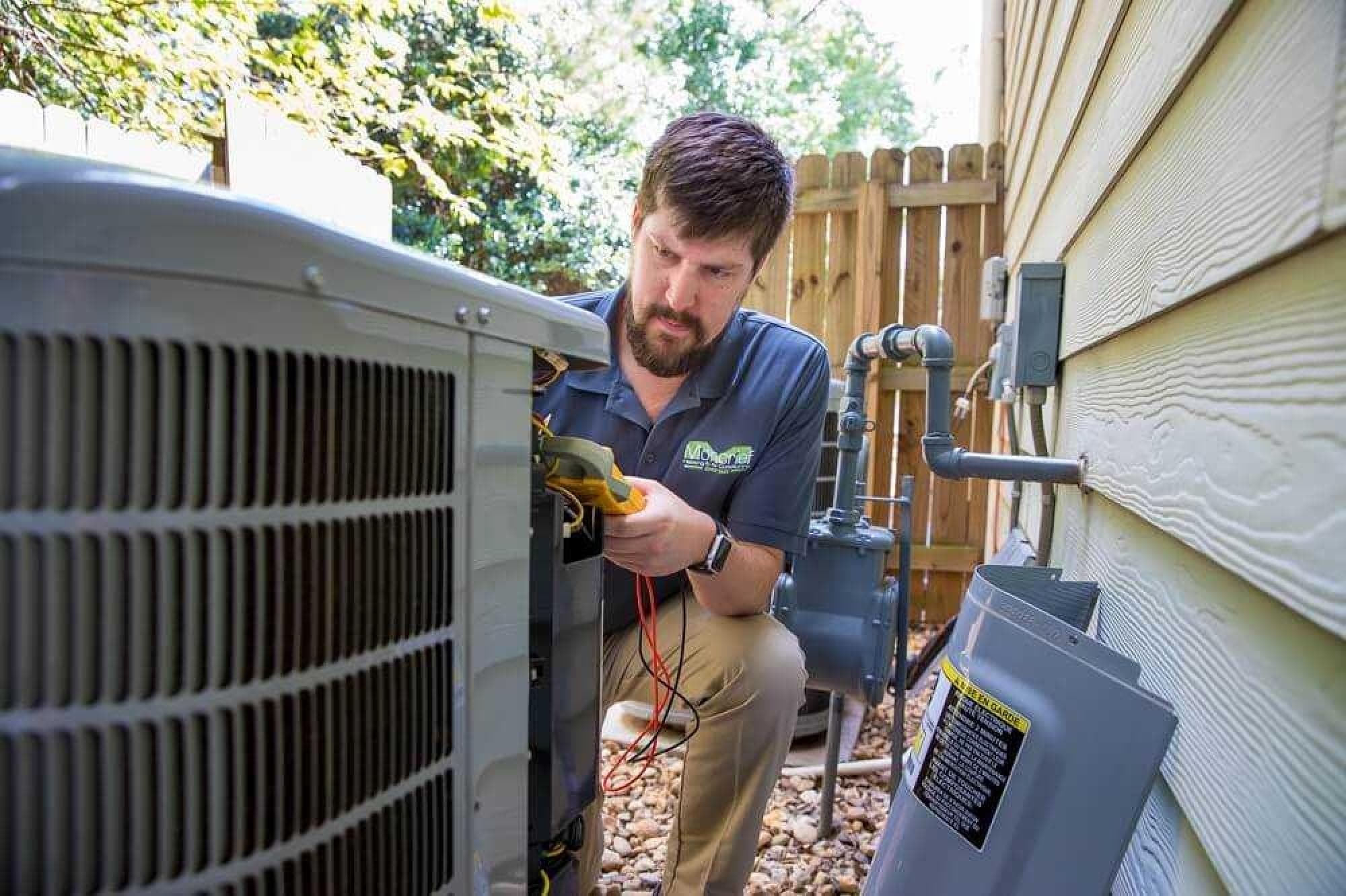
Dallas HVAC Emergencies: When Every Minute Counts
In Dallas's extreme climate, HVAC system failures can turn into business disasters faster than you might imagine. A breakdown during a 105°F heat wave or a frigid winter night can force office closures, damage inventory, and create unsafe working conditions. Understanding when to call for emergency HVAC services—and what to expect—can mean the difference between a minor inconvenience and a major business interruption.
This comprehensive guide will help Dallas business owners recognize true HVAC emergencies and navigate the emergency response process effectively.
Recognizing True HVAC Emergencies
Life-Safety Critical Situations
Call emergency services immediately for these situations:
- Carbon monoxide detection - CO alarms sounding or flu-like symptoms
- Extreme temperature conditions - Over 90°F or below 55°F in occupied spaces
- No ventilation in occupied buildings - Complete loss of air circulation
- Electrical hazards - Burning smells, sparking, or shock risks
Business-Critical Failures
These situations require urgent response:
- Data center cooling failure - Servers and IT equipment at risk
- Medical facility issues - Patient comfort and equipment protection
- Food service cooling loss - Refrigeration system failures
- Laboratory ventilation failure - Containment and safety systems
Weather-Related Emergencies
Dallas's climate creates specific emergency scenarios:
- Heat wave system failures - During 100°F+ temperatures
- Storm damage - Wind, hail, or flooding effects
- Power outage recovery - System won't restart after outages
- Winter heating failures - During freezing conditions
What Constitutes an Emergency vs. Regular Service
Emergency Response Criteria
True emergencies require immediate action:
- Health and safety risks - Occupant comfort or safety compromised
- Equipment damage potential - Risk of further system damage
- Business continuity threats - Operations cannot continue
- Perishable goods at risk - Food, medicine, or materials
Non-Emergency Situations
These can typically wait for regular business hours:
- Minor thermostat issues - Inaccurate readings or programming
- Filter replacement - Routine maintenance tasks
- Minor noise complaints - Unless affecting business operations
- Preventive maintenance - Scheduled service visits
The Emergency Response Process
Initial Contact and Assessment
What happens when you call for emergency service:
- Emergency hotline contact - Dedicated 24/7 emergency number
- Situation assessment - Describe symptoms and conditions
- Priority determination - Emergency classification and response time
- Technician dispatch - ETA provided and service vehicle en route
On-Site Emergency Response
Professional emergency technicians will:
- Rapid assessment - Quick diagnosis of the problem
- Safety evaluation - Ensure safe working conditions
- Temporary solutions - Immediate fixes to restore basic function
- Permanent repairs - Complete restoration of system operation
Emergency Service Capabilities
Dallas emergency teams carry:
- Complete diagnostic tools - For rapid problem identification
- Common replacement parts - For immediate repairs
- Temporary equipment - Portable cooling/heating units
- Safety equipment - For hazardous conditions
Minimizing Business Disruption
Emergency Preparedness Planning
Prepare for HVAC emergencies in advance:
- Emergency contact list - 24/7 HVAC service numbers prominently displayed
- Backup cooling options - Portable units for critical areas
- Alternate workspaces - Plans for relocating staff during repairs
- Communication protocols - Staff notification procedures
During the Emergency
While waiting for service:
- Document the issue - Take photos and note symptoms
- Monitor conditions - Track temperature and humidity changes
- Implement contingencies - Use backup systems if available
- Communicate with staff - Keep everyone informed of status
Business Continuity Strategies
Maintain operations during HVAC emergencies:
- Zone isolation - Close off affected areas if possible
- Staff relocation - Move employees to conditioned spaces
- Flexible scheduling - Adjust hours around repair work
- Remote work options - Enable work-from-home during extended outages
Emergency Service Costs and Considerations
Pricing Structure
Emergency services typically include:
- Emergency dispatch fee - $150-$300 for after-hours response
- Hourly labor rates - $150-$250 per hour for emergency work
- Parts and materials - At premium emergency pricing
- Minimum service charges - 2-4 hour minimum for emergency calls
Cost-Saving Strategies
Reduce emergency service expenses:
- Service agreements - Priority response with lower emergency rates
- Preventive maintenance - Reduces likelihood of emergencies
- System redundancy - Backup equipment prevents full failures
- Smart monitoring - Early detection prevents emergencies
Common Dallas HVAC Emergencies
Summer Heat Emergencies
Dallas's intense summer heat creates these issues:
- Complete AC failure - Compressor or electrical failures
- Refrigerant leaks - High-pressure systems fail under load
- Overloaded systems - Inadequate capacity for extreme conditions
- Power supply issues - Circuit breakers tripping under peak load
Winter Heating Issues
Colder weather brings different challenges:
- Furnace failures - Gas valve or ignition problems
- Heat pump freeze-ups - Ice formation on outdoor coils
- Ductwork issues - Cold air leakage or blockages
- Electrical failures - Cold weather affects electrical components
Weather-Related Damage
Storms and weather events cause:
- Wind damage - Rooftop units displaced or damaged
- Hail damage - Condenser coil and fin damage
- Flooding effects - Water damage to electrical components
- Power surge damage - Lightning strikes or grid instability
Choosing Emergency Service Providers
Essential Qualifications
Select emergency providers with:
- 24/7 availability - True emergency response capability
- Dallas-area presence - Local technicians and parts inventory
- Licensed technicians - EPA certification and TDLR licensing
- Emergency vehicle stock - Well-equipped service trucks
Service Level Agreements
Look for these commitments:
- Response time guarantees - 1-hour response in emergencies
- Emergency parts inventory - Common components on trucks
- Follow-up procedures - Post-emergency service verification
- Priority scheduling - Preferred customers get faster service
Preventing HVAC Emergencies
Proactive Maintenance
Regular maintenance prevents most emergencies:
- Seasonal tune-ups - Prepare for extreme weather
- Filter maintenance - Prevent system strain
- System inspections - Identify potential issues early
- Performance monitoring - Track system health trends
System Redundancy
Build in backup capabilities:
- Multiple HVAC units - N+1 redundancy for critical areas
- Portable backup units - Emergency cooling/heating equipment
- Generator power - Backup electricity for critical systems
- Monitoring systems - Early warning capabilities
Post-Emergency Procedures
System Verification
After emergency repairs:
- Performance testing - Verify system operates correctly
- Efficiency verification - Ensure no degradation occurred
- Documentation review - Understand what was repaired
- Preventive recommendations - Address root causes
Follow-Up Actions
Complete these steps after service:
- Schedule preventive maintenance - Prevent future emergencies
- Review service agreements - Consider priority service options
- Update emergency plans - Incorporate lessons learned
- Document the incident - For insurance and warranty purposes
Insurance and Warranty Considerations
Emergency Service Coverage
Understand your coverage:
- Business interruption insurance - Covers lost revenue during outages
- Equipment breakdown coverage - Specialized HVAC insurance
- Service agreement benefits - Warranty coverage for repairs
- Emergency service waivers - Some agreements cover emergency fees
Documentation Requirements
Maintain proper records for claims:
- Incident reports - Detailed description of the emergency
- Service invoices - Documentation of repairs performed
- Before/after photos - Visual evidence of damage and repairs
- System specifications - Equipment details for claims processing
Conclusion: Be Prepared, Not Surprised
HVAC emergencies in Dallas can happen at any time, often with little warning. The key to minimizing their impact lies in preparation, quick recognition of true emergencies, and having reliable emergency service providers ready to respond.
Don't wait for a crisis to discover your emergency preparedness gaps. Develop relationships with qualified emergency HVAC providers, create contingency plans, and implement preventive maintenance programs to protect your Dallas business from costly and disruptive HVAC failures.
Is your business prepared for an HVAC emergency? Contact our Dallas emergency HVAC specialists today to review your emergency preparedness plan and ensure 24/7 protection for your commercial property.
Don't let HVAC emergencies disrupt your business. Get a free emergency preparedness assessment today and ensure reliable protection for your Dallas commercial property.